Artificial intelligence can be a valuable tool in identifying, understanding and eliminating PFAS, commonly known as "eternal chemicals", and other harmful chemicals. This technology offers capabilities that can accelerate research and development of solutions to deal with these persistent contaminants.
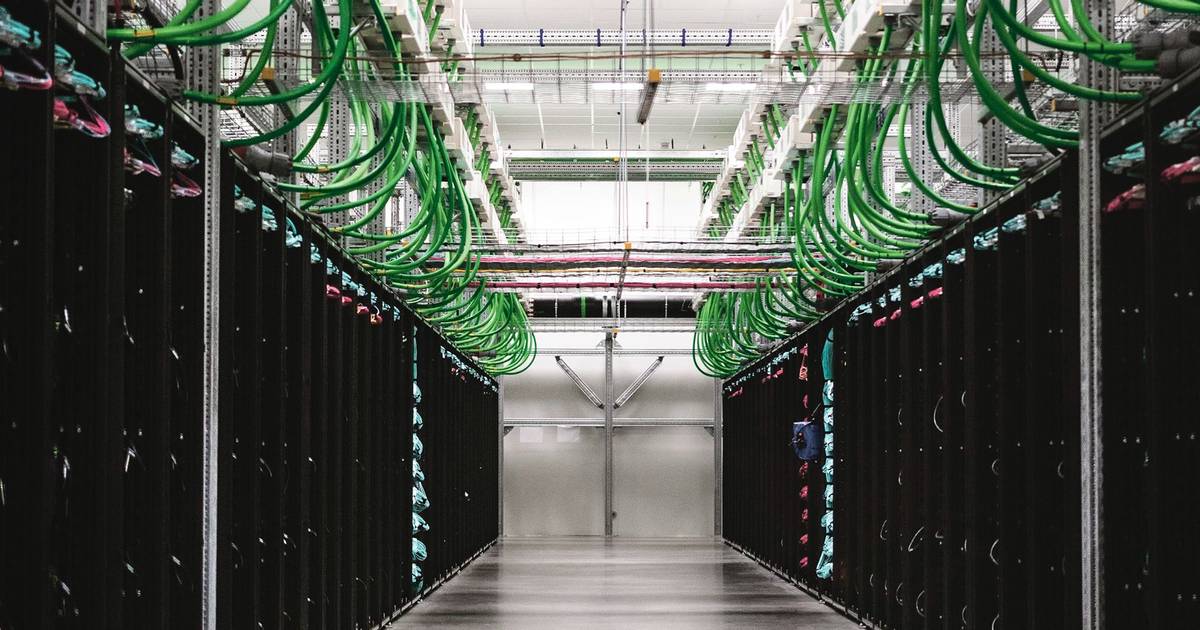
However, the explosive growth of the artificial intelligence industry itself represents a significant problem. The increased demand for data centers, servers and technological equipment needed to support this industry is driving parallel growth in the use and production of these eternal chemicals.
PFAS are chemical substances that persist in the environment and present known risks to human health and ecosystems. Their persistent nature means they accumulate over time, making them particularly concerning.
The article thus warns of an apparent contradiction: although AI can help solve the problem of eternal chemicals, the expansion of the technological industry itself is simultaneously worsening the situation by increasing dependence on these same materials.